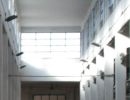
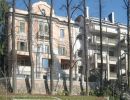
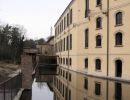
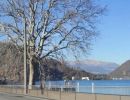
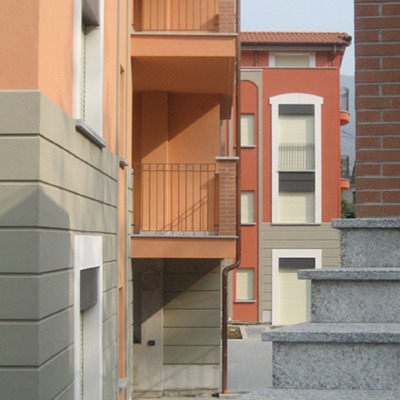
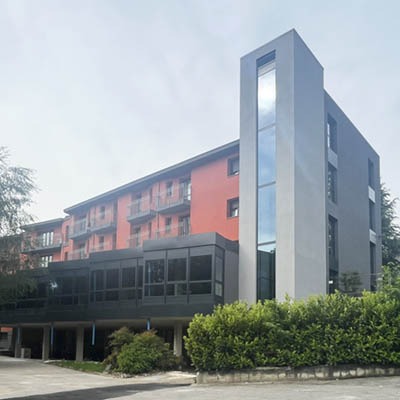
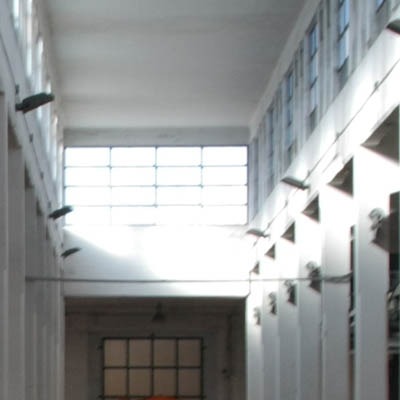
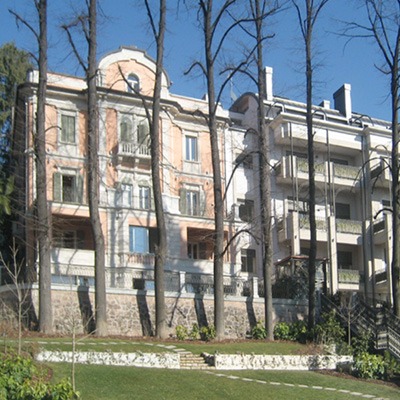
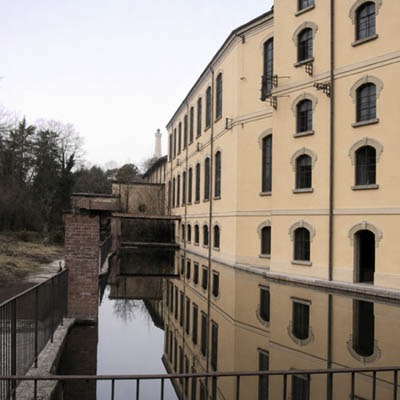
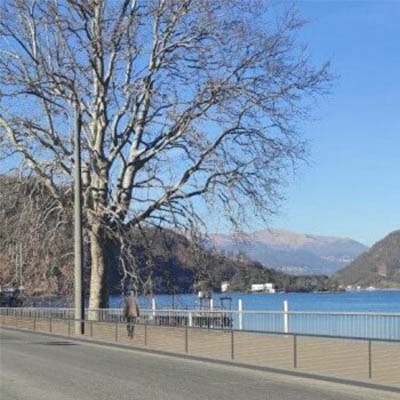
From an economic and financial perspective, the most significant projects can often be classified as urban regeneration, a recent – and perhaps overused – term referring to building developments of such scale and importance that they give new meaning to the surrounding urban environment, both in terms of architectural and landscape composition and, not infrequently, in terms of the actual economic and social structure. Typically, these projects are preceded by urban analysis and implementation planning, in the various forms, and thus involve a complex yet crucial preliminary phase of consultation between the relevant local authorities, the project owner and other stakeholders.
It is therefore essential to perform a technical-economic (and financial) analysis that is progressively refined, capable of supporting the most sustainable and balanced choices, both from an urban planning and social perspective, and from a construction and economic perspective. In such contexts, there must be four project phases: planning, feasibility, final design and detailed design. The correct sequence of decisions specific to each phase is fundamental to the successful outcome of the entire process.


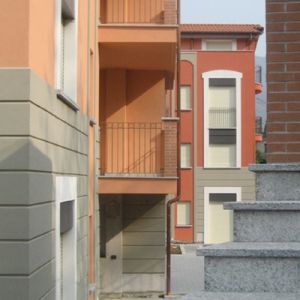
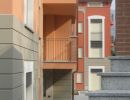
Gemonio - recupero area industriale
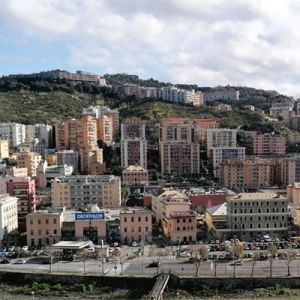
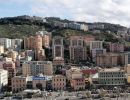
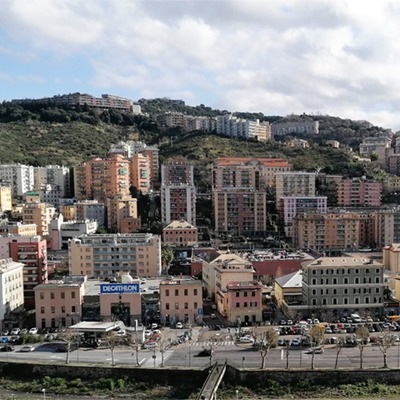
Genova Marassi - P.R.U. "del Mirto"
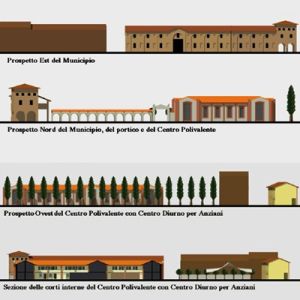
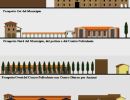
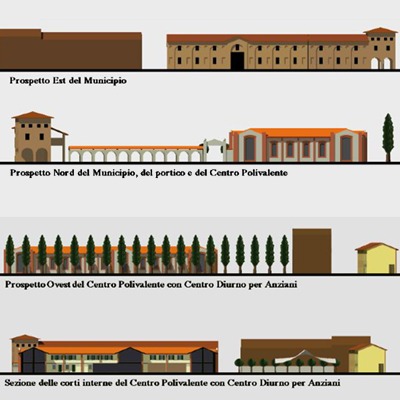
Graffignana - PPE Cascina Maggiore
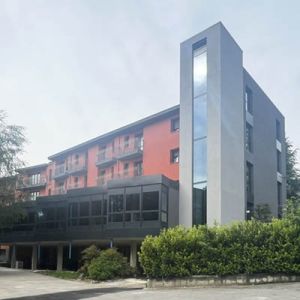
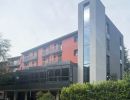
Cadegliano - Complesso RSA Menotti
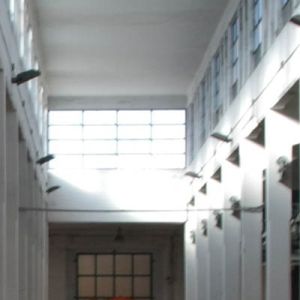
Varese - area dismessa AT17
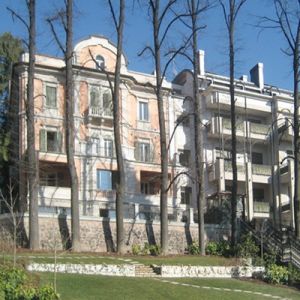
Varese - complesso villa Pfitzmaier
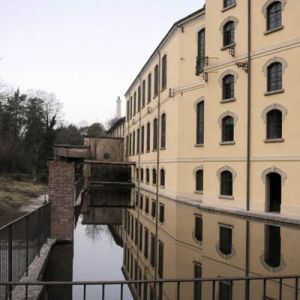
Besozzo - area industriale dismessa
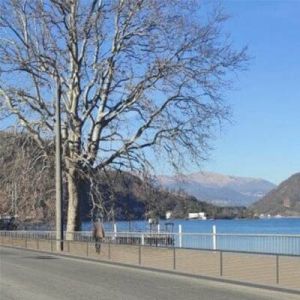
Porto Ceresio - riqualificazione AT3