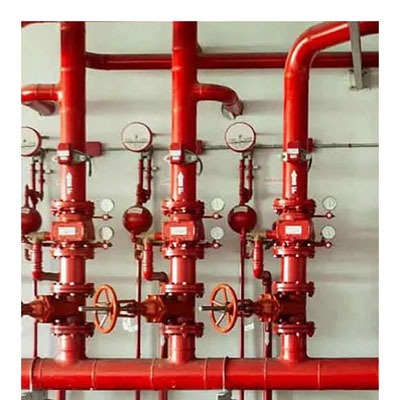
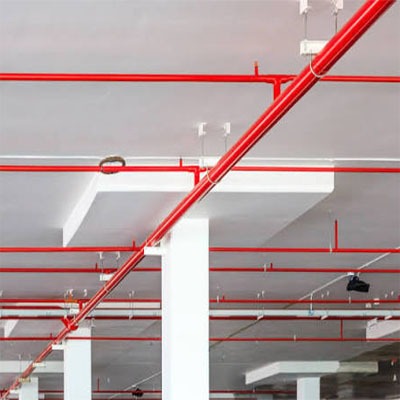
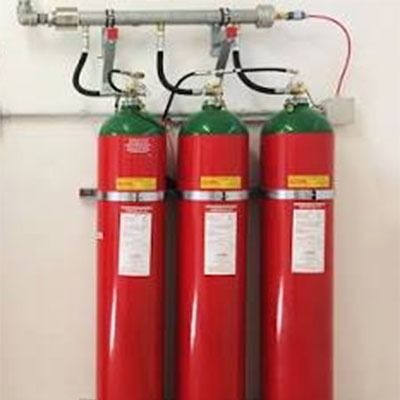
One of our most common areas of expertise is fire safety design, which we address both as part of integrated design (in which case it falls under broader scope of work) and also as a standalone activity, in contexts where fire safety is a primary concern. Our design skills and the use of advanced fire engineering techniques allow us to address and resolve even highly complex issues, achieving the optimal balance between safety, preservation, costs, and the timeline for compliance measures.
In specific contexts, we therefore adopt Fire Safety Engineering (FSE) techniques, which constitute a scientific and performance-based approach to fire prevention design. These are based on the quantitative analysis of hazard scenarios and computer simulations of the effects of fire, in order to protect human life, property and the environment in a flexible manner that is specifically tailored to the context.

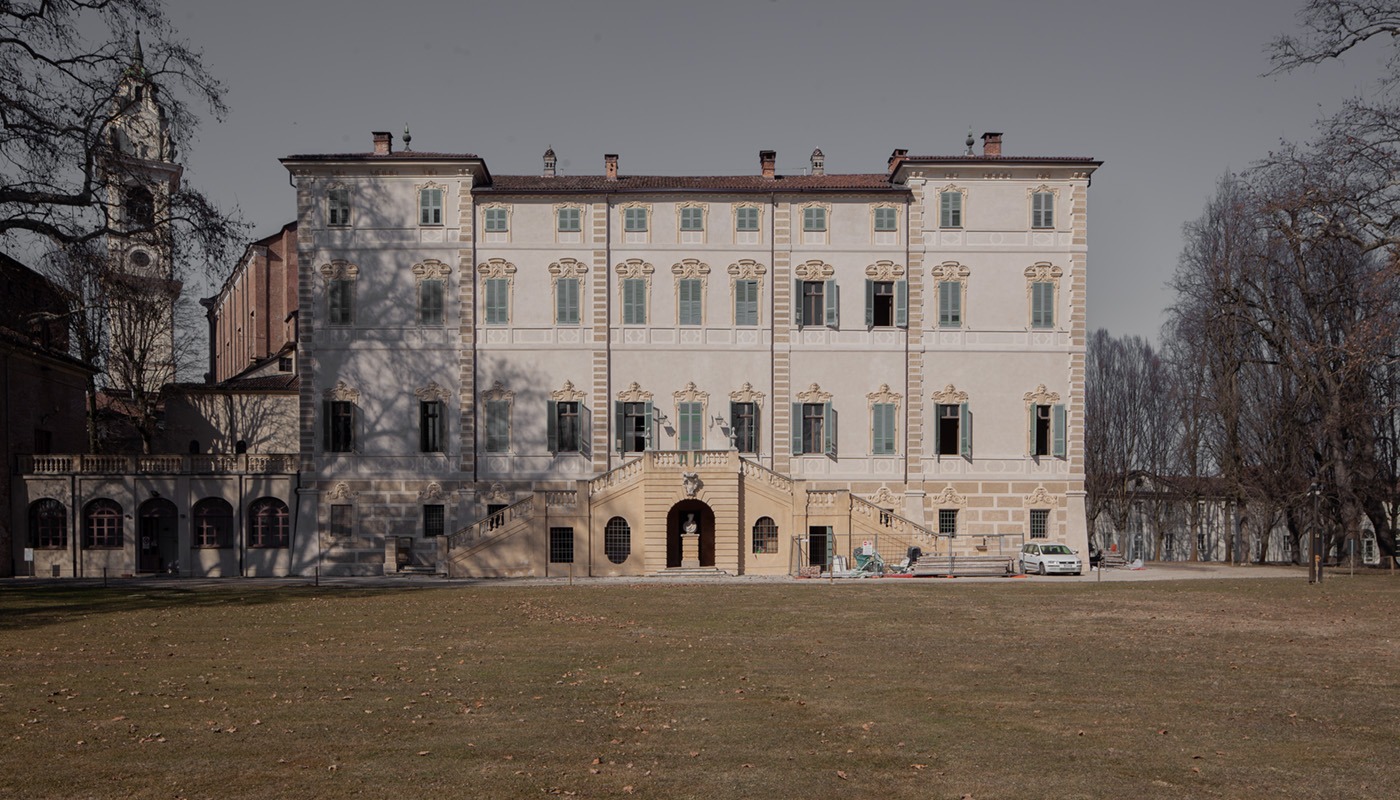







The topic is extremely complex; we shall outline some of its fundamental aspects:
- Performance-based approach: rigid, table-based rules (prescriptive method) can be replaced with measurable safety objectives.
- Quantitative analysis: sophisticated mathematical, analytical and numerical models are used to simulate the actual behaviour of fire and combustion products.
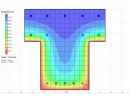
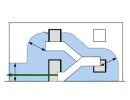
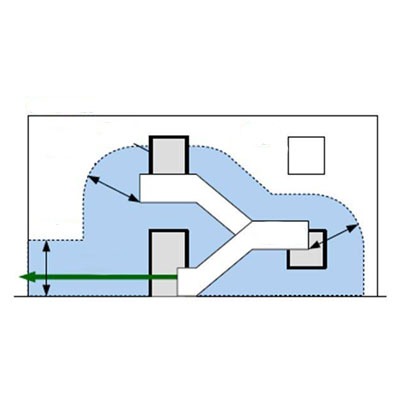
- Smoke movement: Computational Fluid Dynamics (CFD) simulation of the propagation of toxic smoke and hot gases within spaces.
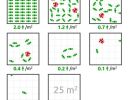
- Human behaviour: Analysis of evacuation times, occupant reactions and escape routes.
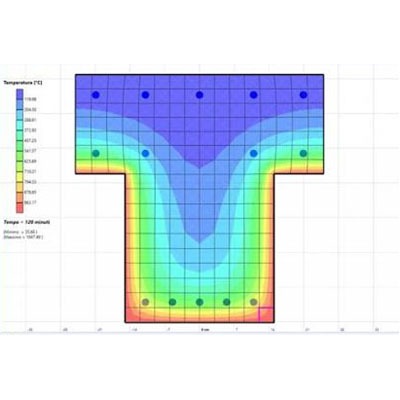
- Structural response: Assessment of the fire resistance of structural elements or the entire building under thermal loading.
The main advantage is financial: designing using Fire Safety Engineering means achieving the same levels of safety whilst investing fewer resources, particularly in the case of complex, historic or large-scale buildings. Furthermore, it is the only route for managing exemptions from the regulations, as it provides the technical basis for justifying alternative solutions not covered by standard regulatory tables.
We provide analysys and design of the following topics:


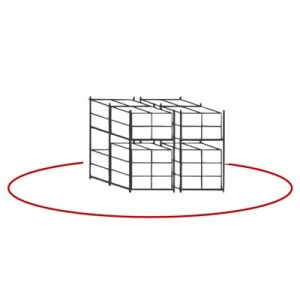
specific fire load design
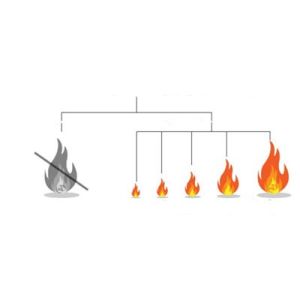
reaction to fire requirements
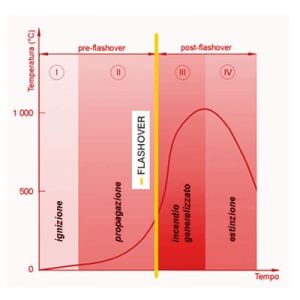
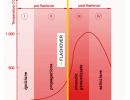
time-temperature curves design
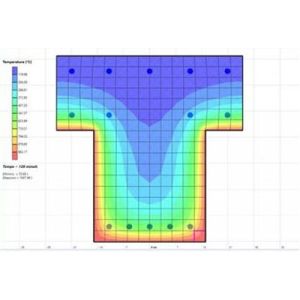
fire resistance design
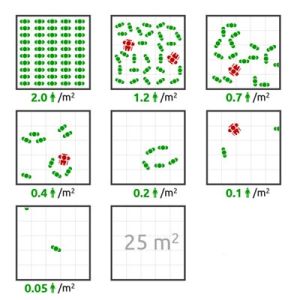
occupant load determination
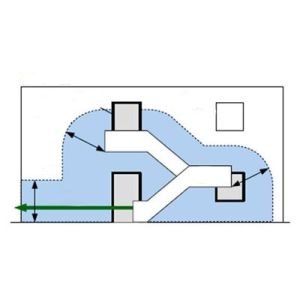
egress design
safety plan
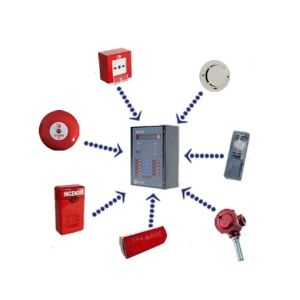
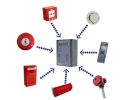
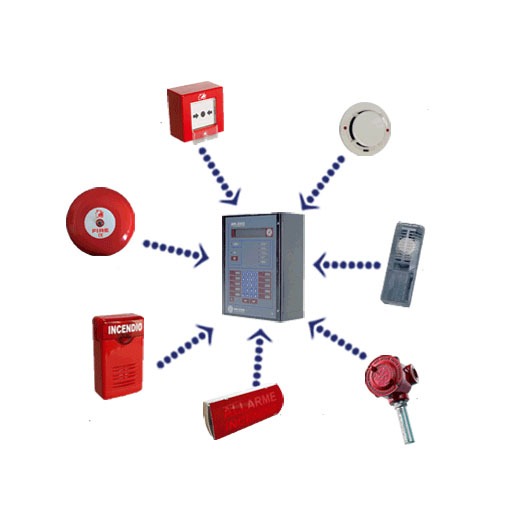
fire detection and alarm systems
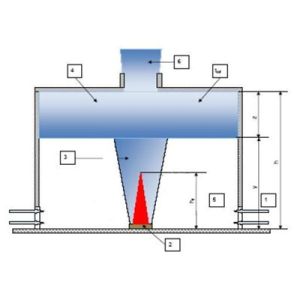
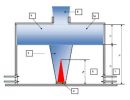
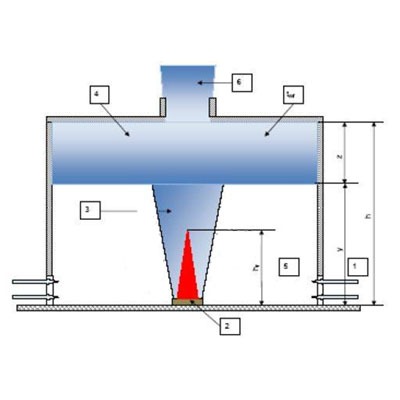
smoke and heat evacuation systems
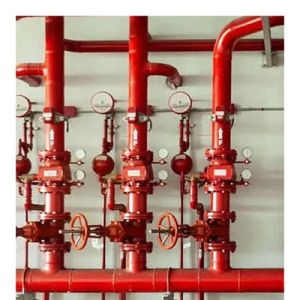
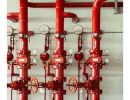
fire hydrant system design

water fire suppression systems
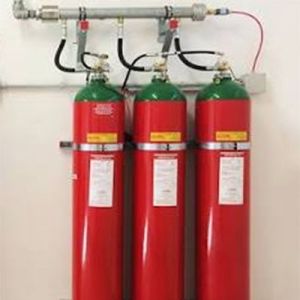
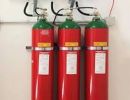
inert gas fire suppression systems