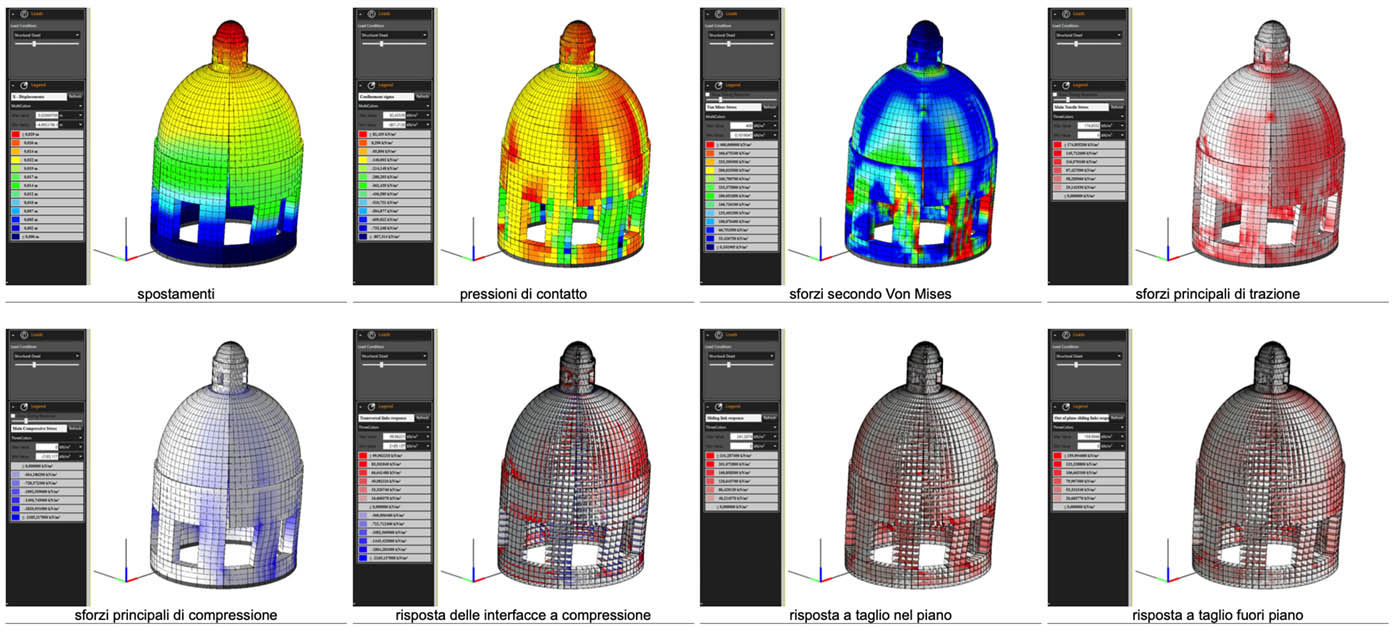
Earth-quake resistant structures design is one of the most fascinating fields of knowledge that mankind has explored. It has its origins in ancient empirical solutions, evolved over the centuries through reconstruction schemes following highly destructive earthquakes, and only became a field of modern science in the 20th century.
It then found codified application in the development of the Technical Standards for Construction. However, its conceptual framework contains such mathematical elegance that it is truly astonishing; we are so passionate that we could talk about it for hours.
The short answer is this: the issue of earthquake safety is, first and foremost, an architectural matter. An ‘unfavourable’ architectural design approach is almost impossible to rectify solely through engineering calculations. This is further proof that buildings design can only be effective if it is highly integrated and coherent; otherwise, it will result in unnecessary additional costs and, in this case, a near-certain reduction in overall safety.
In each of the projects we have undertaken, there has always been a point at which a vulnerability assessment was required. In most cases, particularly in geographical areas where the design seismic action is limited because the risk of destructive earthquakes is very low, the assessments yield positive results or highlight minor local issues that must nevertheless be addressed... even a small, partial failure is enough to cause serious harm to people or property. In more extensive and systematic projects, however, dynamic analysis is the true guiding principle that must inform the entire design process.
This is why we use sophisticated numerical simulation systems, designed to assess the safety of structural systems and subsystems made of any material, both in non-linear (particularly suitable for historic masonry) and linear contexts.
We have gained significant experience in various specific contexts, including those involving fire resistance requirements, particularly regarding those topics:


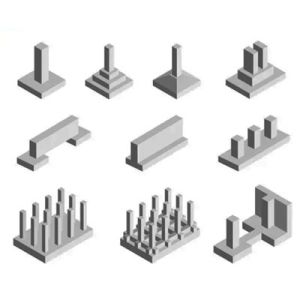
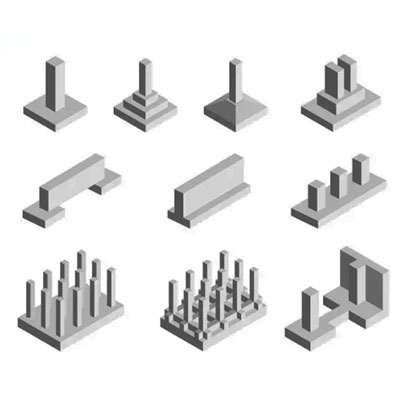
Foundation and underpinning
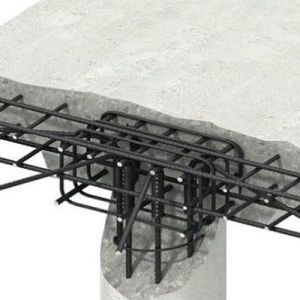
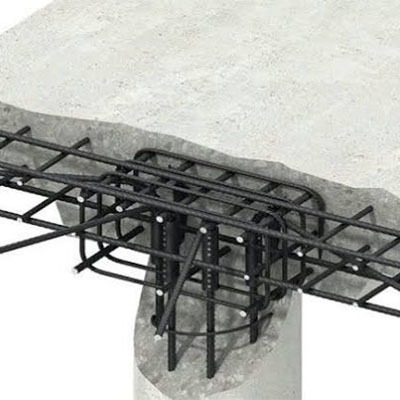
Reinforced concrete structures
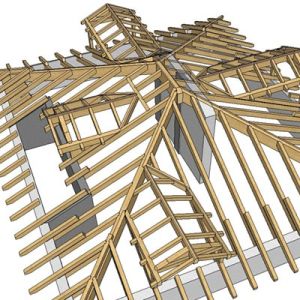
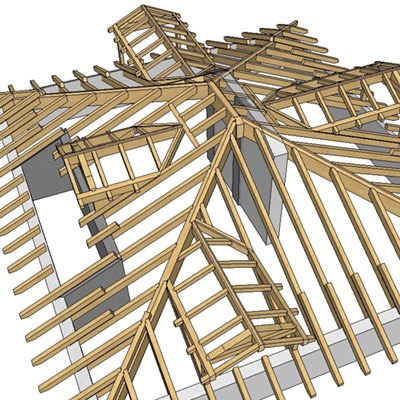
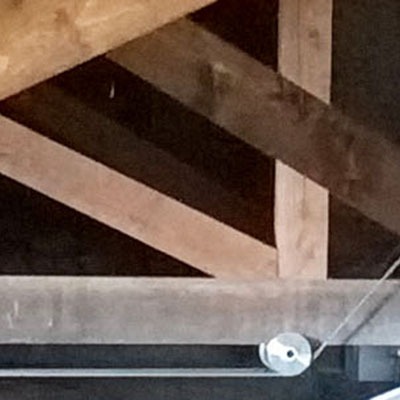
Timber structures
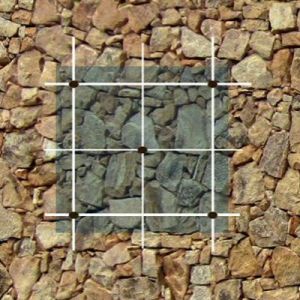
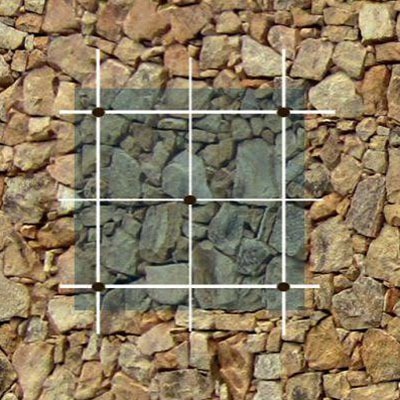
Masonry reinforcement

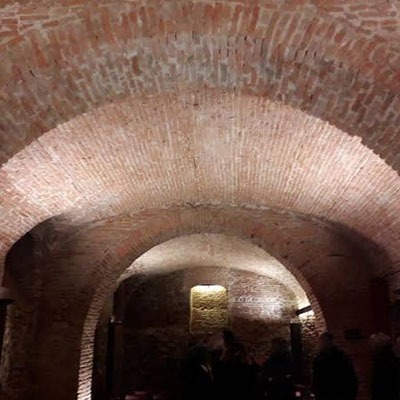
Vaults systems reinforcement
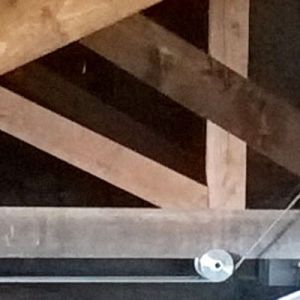
Timber subsystems reinforcement
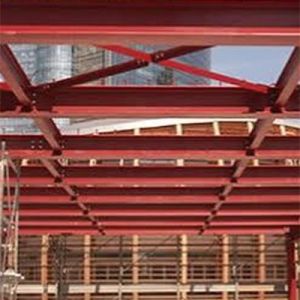
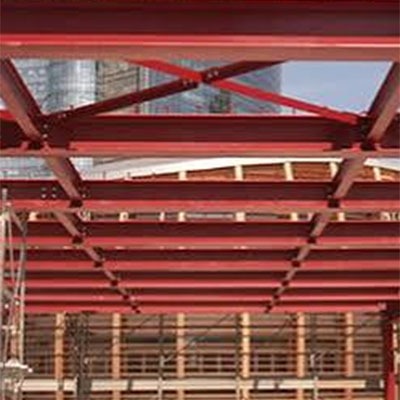
Steel structures

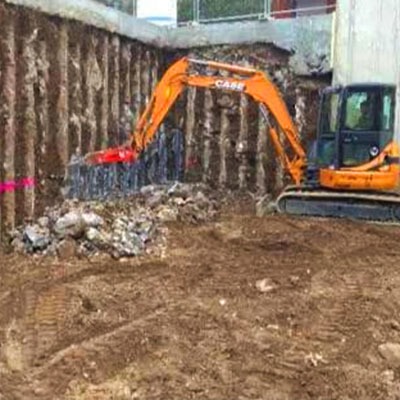
Retaining walls
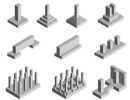
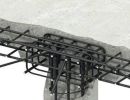
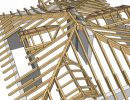


For each of these topics, we select and use—on a case-by-case basis, depending on the context—the most suitable software and the most appropriate calculation method.
But… would you like to discuss a specific problem that’s keeping you up at night? Get in touch and we’ll talk it over. Don’t ignore a crack that seems harmless but which may indicate a structural weakness that’s already been put under severe strain… we all live in an earthquake-prone zone – don’t forget that.